
Foam Mattresses | Mattresses
-
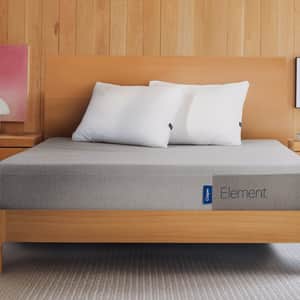 Element Mattress
Starts at $445.00
Select options
This product has multiple variants. The options may be chosen on the product page
Element Mattress
Starts at $445.00
Select options
This product has multiple variants. The options may be chosen on the product page
-
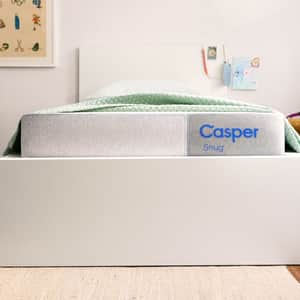 Snug™
Starts at $599.00
Select options
This product has multiple variants. The options may be chosen on the product page
Snug™
Starts at $599.00
Select options
This product has multiple variants. The options may be chosen on the product page
-
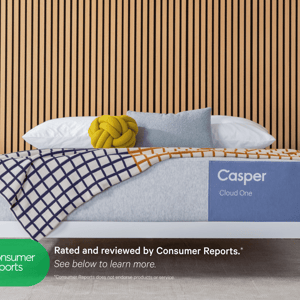 Cloud One
Starts at $1,124.00
Select options
This product has multiple variants. The options may be chosen on the product page
Cloud One
Starts at $1,124.00
Select options
This product has multiple variants. The options may be chosen on the product page
-
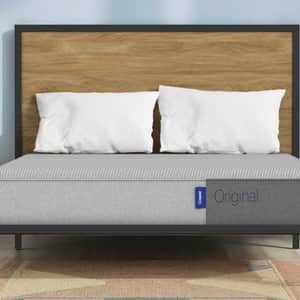 Original Mattress
Starts at $895.00
Select options
This product has multiple variants. The options may be chosen on the product page
Original Mattress
Starts at $895.00
Select options
This product has multiple variants. The options may be chosen on the product page
-
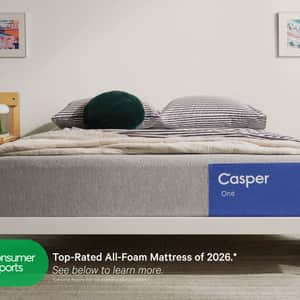 The One
Starts at $874.00
Select options
This product has multiple variants. The options may be chosen on the product page
The One
Starts at $874.00
Select options
This product has multiple variants. The options may be chosen on the product page
Foam Mattresses: All-Foam Construction Across Multiple Comfort Levels
A foam mattress is a sleep surface constructed entirely from one or more layers of foam, without coils or springs. These mattresses are used across a wide range of sleeping environments, from primary bedroom setups to guest rooms, platform bed configurations, and adjustable base pairings. They are particularly common among sleepers who prefer a surface that absorbs motion and conforms closely to the body's shape.
Foam mattresses are built using various foam types, which are often layered to balance pressure relief, airflow, and support. Memory foam (viscoelastic foam) is the most widely recognized, known for its slow-response contouring. High-density polyurethane foam is commonly used as a support core. Some constructions incorporate specialized performance foams designed to improve temperature regulation or responsiveness. Thickness typically ranges from 8 to 14 inches, with varying firmness options from plush to firm. Many foam mattresses carry CertiPUR-US certification, which indicates that the foam has been tested for emissions, content, and durability by an independent laboratory.
Sleep position is one of the most relevant factors when selecting a foam mattress. Side sleepers generally benefit from softer options that allow shoulder and hip relief, while back and stomach sleepers often require firmer support to maintain spinal alignment. Body weight also matters: heavier sleepers may find that lower-density foams compress too quickly, reducing long-term support. Foundation compatibility should be confirmed before purchasing, as most foam mattresses require a solid or slatted base with slats no more than 3 inches apart. An adjustable base is compatible with most all-foam designs, though this should be verified per model.
Foam mattresses should be rotated head-to-foot every three to six months to promote even wear, though most are not designed to be flipped. Spot cleaning with a mild detergent is recommended for surface stains; the mattress should be fully dry before replacing bedding. A waterproof mattress protector can extend the usable life of the product. Foam mattresses typically carry warranties ranging from 10 to 25 years, with an expected functional lifespan of 7 to 10 years depending on foam density and use.
Shoppers comparing foam mattresses may also want to consider hybrid mattresses, which combine foam comfort layers with an innerspring or coil support system, as well as natural latex mattresses for those interested in plant-derived materials and alternative contouring properties. Mattress protectors and toppers are relevant accessories for this category.