
Dining | Furniture
-
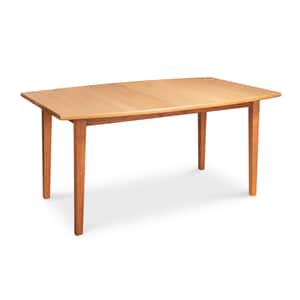 Vermont Shaker Boat Top Extension Dining Table
Starts at $4,186.00
Select options
This product has multiple variants. The options may be chosen on the product page
Vermont Shaker Boat Top Extension Dining Table
Starts at $4,186.00
Select options
This product has multiple variants. The options may be chosen on the product page
Solid Wood Dining Tables Handcrafted from Sustainably Harvested Materials
Dining furniture refers to tables designed for use in household eating areas, typically serving as the central gathering point for daily meals and larger gatherings. This category appeals to homeowners and families who prioritize material transparency, domestic craftsmanship, and furniture built to last rather than be replaced. The dining table is among the most used pieces of furniture in a home, and buyers in this category often approach the purchase with durability and provenance in mind.
Products in this category are constructed from solid hardwoods, including cherry, maple, and walnut, sourced through sustainable forestry practices. The Shaker style is represented here: characterized by clean lines, tapered legs, and minimal ornamentation, it reflects a utilitarian aesthetic with long-standing cultural roots in American furniture making. Extension leaf configurations are a standard feature, allowing a single table to serve both everyday use and expanded seating for gatherings. Tables are available in multiple base dimensions, with leaf options that can increase usable surface area by 18 inches per leaf. Construction is carried out by hand in the United States. Price positioning falls in the premium tier, generally reflecting the cost of solid domestic hardwood, skilled joinery, and small-batch domestic production.
Room dimensions are the first practical constraint to measure before choosing a table size. As a general guideline, allow at least 36 inches between the table edge and any wall or obstruction to provide comfortable chair clearance. Extension tables present a useful option for households that host infrequently but need the capacity on occasion: the base footprint remains compact for daily use, and the leaf adds length only when needed. Wood species affects both appearance and hardness; cherry and walnut tend toward warmer tones and moderate hardness, while maple is lighter in color and among the harder domestic hardwoods. Chair height should be verified against table height before purchasing separately.
Solid hardwood dining tables require periodic care to maintain their finish. Wiping spills promptly and avoiding prolonged exposure to moisture or direct sunlight will reduce the risk of warping or fading. Most manufacturers recommend using placemats or table pads under hot dishes. Depending on finish type, light sanding and re-oiling or refinishing is possible if surface wear develops over time. Well-maintained solid wood tables commonly remain in use for several decades. Warranty terms vary by manufacturer and should be reviewed at purchase.
Dining furniture pairs naturally with the broader furniture category, including storage and display pieces such as sideboards and buffets. Table linens, including runners, placemats, and tablecloths, are available in the Table section.