
Down Comforters | Comforters | Bedding
-
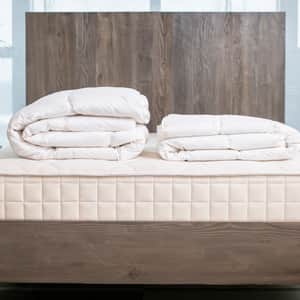 Naturepedic Down Duvet Insert Comforter
$399.00
Select options
This product has multiple variants. The options may be chosen on the product page
Naturepedic Down Duvet Insert Comforter
$399.00
Select options
This product has multiple variants. The options may be chosen on the product page
-
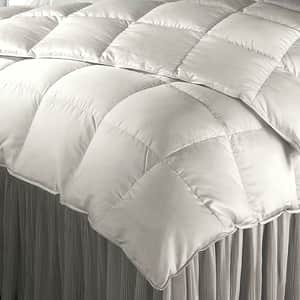 The Clean Bedroom Madison Goose Down Comforter
$846.00
Select options
This product has multiple variants. The options may be chosen on the product page
The Clean Bedroom Madison Goose Down Comforter
$846.00
Select options
This product has multiple variants. The options may be chosen on the product page
-
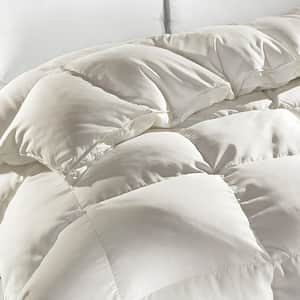 The Clean Bedroom Manhattan Goose Down Comforter
$1,350.00
Select options
This product has multiple variants. The options may be chosen on the product page
The Clean Bedroom Manhattan Goose Down Comforter
$1,350.00
Select options
This product has multiple variants. The options may be chosen on the product page
-
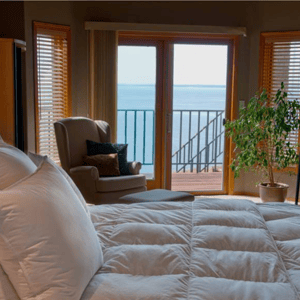 Cloud 700- Best for: A Lofty, Luxurious Feel Without Excess Warmth
Starts at $1,110.00
Select options
This product has multiple variants. The options may be chosen on the product page
Cloud 700- Best for: A Lofty, Luxurious Feel Without Excess Warmth
Starts at $1,110.00
Select options
This product has multiple variants. The options may be chosen on the product page
-
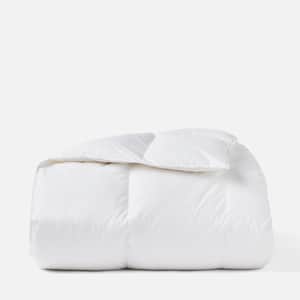 Goose Down Duvet Insert
Starts at $1,298.00
Select options
This product has multiple variants. The options may be chosen on the product page
Goose Down Duvet Insert
Starts at $1,298.00
Select options
This product has multiple variants. The options may be chosen on the product page
-
 Cornwall Duvet
Starts at $2,354.00
Select options
This product has multiple variants. The options may be chosen on the product page
Cornwall Duvet
Starts at $2,354.00
Select options
This product has multiple variants. The options may be chosen on the product page
-
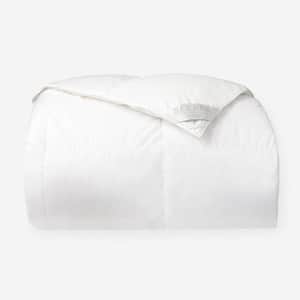 Somerset Duvet
Starts at $1,197.00
Select options
This product has multiple variants. The options may be chosen on the product page
Somerset Duvet
Starts at $1,197.00
Select options
This product has multiple variants. The options may be chosen on the product page
-
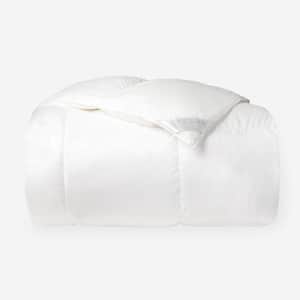 Cardigan Duvet
Starts at $1,411.00
Select options
This product has multiple variants. The options may be chosen on the product page
Cardigan Duvet
Starts at $1,411.00
Select options
This product has multiple variants. The options may be chosen on the product page
-
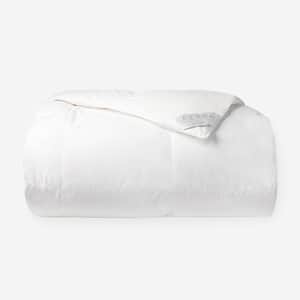 Dover Duvet
Starts at $529.00
Select options
This product has multiple variants. The options may be chosen on the product page
Dover Duvet
Starts at $529.00
Select options
This product has multiple variants. The options may be chosen on the product page
-
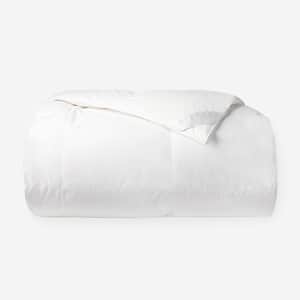 Buxton Duvet
Starts at $637.00
Select options
This product has multiple variants. The options may be chosen on the product page
Buxton Duvet
Starts at $637.00
Select options
This product has multiple variants. The options may be chosen on the product page
-
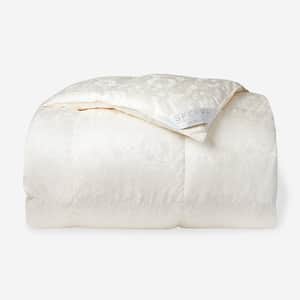 Snowdon Duvet
Starts at $4,089.00
Select options
This product has multiple variants. The options may be chosen on the product page
Snowdon Duvet
Starts at $4,089.00
Select options
This product has multiple variants. The options may be chosen on the product page
-
 Utopia Duvet
Starts at $9,957.00
Select options
This product has multiple variants. The options may be chosen on the product page
Utopia Duvet
Starts at $9,957.00
Select options
This product has multiple variants. The options may be chosen on the product page
-
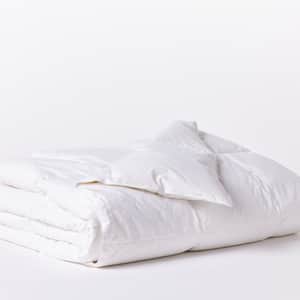 Lightweight Down Duvet Insert
Starts at $498.00
Select options
This product has multiple variants. The options may be chosen on the product page
Lightweight Down Duvet Insert
Starts at $498.00
Select options
This product has multiple variants. The options may be chosen on the product page
-
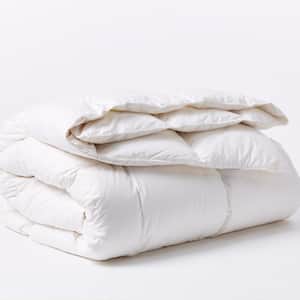 Winter Weight Down Duvet Insert
Starts at $698.00
Select options
This product has multiple variants. The options may be chosen on the product page
Winter Weight Down Duvet Insert
Starts at $698.00
Select options
This product has multiple variants. The options may be chosen on the product page
-
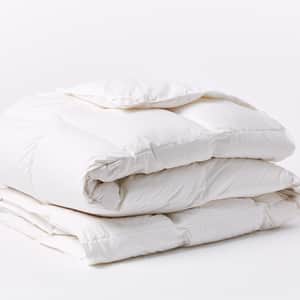 Three Season Down Duvet Insert
Starts at $598.00
Select options
This product has multiple variants. The options may be chosen on the product page
Three Season Down Duvet Insert
Starts at $598.00
Select options
This product has multiple variants. The options may be chosen on the product page
-
 Sequoia Lightweight- Best for: Those Who Prefer a Lighter Layer With a Bit More Loft
Starts at $905.00
Select options
This product has multiple variants. The options may be chosen on the product page
Sequoia Lightweight- Best for: Those Who Prefer a Lighter Layer With a Bit More Loft
Starts at $905.00
Select options
This product has multiple variants. The options may be chosen on the product page
-
 Flora Summer Weight- Best for: Hot Sleepers & Those Who Prefer Light Layers
Starts at $718.00
Select options
This product has multiple variants. The options may be chosen on the product page
Flora Summer Weight- Best for: Hot Sleepers & Those Who Prefer Light Layers
Starts at $718.00
Select options
This product has multiple variants. The options may be chosen on the product page
-
 Denali Arctic- Best for: Cold Sleepers & Very Cool Bedrooms
Starts at $2,072.00
Select options
This product has multiple variants. The options may be chosen on the product page
Denali Arctic- Best for: Cold Sleepers & Very Cool Bedrooms
Starts at $2,072.00
Select options
This product has multiple variants. The options may be chosen on the product page
-
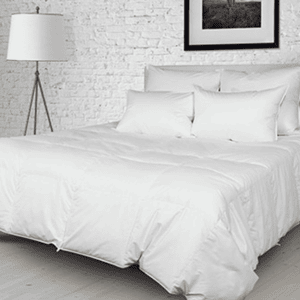 Sequoia Midweight- Best for: Year-Round Comfort & the Perfect Balance of Warmth & Breathability
Starts at $1,050.00
Select options
This product has multiple variants. The options may be chosen on the product page
Sequoia Midweight- Best for: Year-Round Comfort & the Perfect Balance of Warmth & Breathability
Starts at $1,050.00
Select options
This product has multiple variants. The options may be chosen on the product page
-
 Laurel Warm- Best for: A Rich, Cocooning Warmth Designed for Ultimate Comfort
Starts at $1,678.00
Select options
This product has multiple variants. The options may be chosen on the product page
Laurel Warm- Best for: A Rich, Cocooning Warmth Designed for Ultimate Comfort
Starts at $1,678.00
Select options
This product has multiple variants. The options may be chosen on the product page
-
 Mariposa Lightweight- Best for: A Soft, Airy Feel with Gentle Warmth
Starts at $965.00
Select options
This product has multiple variants. The options may be chosen on the product page
Mariposa Lightweight- Best for: A Soft, Airy Feel with Gentle Warmth
Starts at $965.00
Select options
This product has multiple variants. The options may be chosen on the product page
-
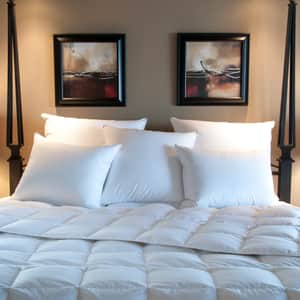 Limited Item: Avalon, 600 Hypodown Duvet Insert
Starts at $630.00
Select options
This product has multiple variants. The options may be chosen on the product page
Limited Item: Avalon, 600 Hypodown Duvet Insert
Starts at $630.00
Select options
This product has multiple variants. The options may be chosen on the product page
-
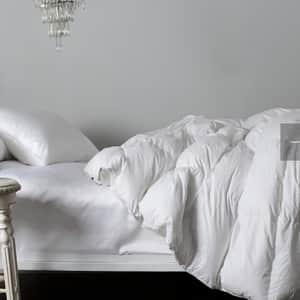 St Geneve Lajord Down Duvet
$738.00
Select options
This product has multiple variants. The options may be chosen on the product page
St Geneve Lajord Down Duvet
$738.00
Select options
This product has multiple variants. The options may be chosen on the product page
-
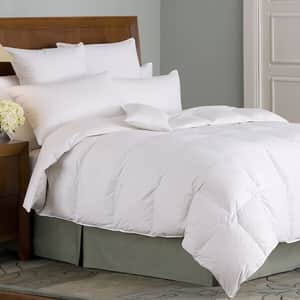 Downright Organa White Goose Down Comforter
$578.00
Select options
This product has multiple variants. The options may be chosen on the product page
Downright Organa White Goose Down Comforter
$578.00
Select options
This product has multiple variants. The options may be chosen on the product page
-
 St Geneve Heirloom Goose Down Duvet
$596.00
Select options
This product has multiple variants. The options may be chosen on the product page
St Geneve Heirloom Goose Down Duvet
$596.00
Select options
This product has multiple variants. The options may be chosen on the product page
-
 St Geneve Ziegler Goose Down Duvet
$1,149.00
Select options
This product has multiple variants. The options may be chosen on the product page
St Geneve Ziegler Goose Down Duvet
$1,149.00
Select options
This product has multiple variants. The options may be chosen on the product page
Natural Down Comforters: Breathable Fill for Year-Round Sleep
A down comforter is a bedding insert filled with the soft underplumage of ducks or geese, used as the primary top layer in a made bed or inside a duvet cover. These products serve sleepers who want a lightweight, thermally responsive covering that minimizes overheating while still providing meaningful warmth. Down comforters are a long-established bedding category used across a wide range of climates and sleep preferences, from minimalist sleepers who want a single versatile layer to cold sleepers who layer multiple insulating pieces.
Down comforters in this category are constructed with a natural fill enclosed in a woven outer shell, typically cotton. Fill material ranges from duck down to goose down, with goose down generally producing larger, higher-loft clusters. A widely used measurement for insulating capacity is fill power, expressed as a cubic-inch-per-ounce rating: higher fill power (such as 600 or 700) indicates a more loft-per-weight efficient fill. Some products use a blended fill that combines down clusters with a natural fiber such as milkweed, which can help reduce allergen content while maintaining loft. Warmth weights span summer, lightweight, midweight, all-season, winter, and extra-warm configurations. Shell fabrics in this category often carry certifications such as the Global Organic Textile Standard (GOTS) or the Responsible Down Standard (RDS), which address organic fiber sourcing and animal welfare, respectively. Price points in this category range broadly, from mid-range to investment-level luxury, reflecting differences in fill source, fill power, shell thread count, and craftsmanship.
The most relevant personal factor in choosing a down comforter is your typical sleep temperature. Warm sleepers generally do better with a summer-weight or lightweight fill, while cold sleepers or those in consistently cool rooms may prefer a midweight or winter-weight option. Body weight and metabolism affect heat retention, so two people sharing a bed often have different warmth needs. For those with sensitivities to conventional down, blended fills with natural hypoallergenic fibers offer an alternative worth considering. Down comforters are almost always used inside a duvet cover rather than against the skin, so cover compatibility (closure type, sizing) is a practical consideration. Sizing follows standard bedding conventions but overhang preferences vary, so checking finished dimensions against mattress depth before purchasing is advisable.
Down and down-blend comforters generally require professional cleaning or a large-capacity home washer on a gentle, low-heat cycle; always follow the care label specific to the product. Proper drying with low heat and periodic fluffing is important to prevent fill from clumping. With appropriate care, a quality down comforter can maintain its loft and insulating properties for ten to twenty years. Warranties vary by manufacturer and typically cover material and construction defects rather than normal wear.
Shoppers comparing fill types may also want to review the wool comforters and silk comforters categories, as well as organic cotton sheets, which are commonly layered with or under a down insert.