
Innerspring Mattresses | Mattresses
-
20% off Through 06/08
 Naturepedic Chorus Organic Cotton Mattress
Starts at $1,199.20
Select options
This product has multiple variants. The options may be chosen on the product page
Naturepedic Chorus Organic Cotton Mattress
Starts at $1,199.20
Select options
This product has multiple variants. The options may be chosen on the product page
-
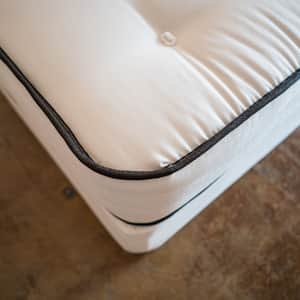 Innerspring Mattress
Starts at $1,650.00
Select options
This product has multiple variants. The options may be chosen on the product page
Innerspring Mattress
Starts at $1,650.00
Select options
This product has multiple variants. The options may be chosen on the product page
-
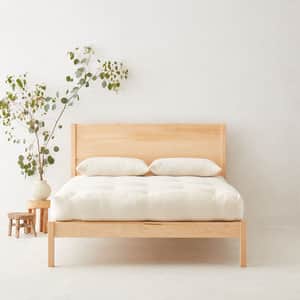 Cozy Nest Futon
Starts at $730.00
Select options
This product has multiple variants. The options may be chosen on the product page
Cozy Nest Futon
Starts at $730.00
Select options
This product has multiple variants. The options may be chosen on the product page
-
 Royal-Pedic Natural Collection Cotton Mattress (Dr.’s note required)
Starts at $6,126.00
View product
This product has multiple variants. The options may be chosen on the product page
Royal-Pedic Natural Collection Cotton Mattress (Dr.’s note required)
Starts at $6,126.00
View product
This product has multiple variants. The options may be chosen on the product page
-
 Royal-Pedic Natural Cotton Mattress with Wool Wrap
Starts at $6,550.00
View product
This product has multiple variants. The options may be chosen on the product page
Royal-Pedic Natural Cotton Mattress with Wool Wrap
Starts at $6,550.00
View product
This product has multiple variants. The options may be chosen on the product page
Innerspring Mattresses: Coil-Based Support in Natural and Organic Options
An innerspring mattress is a mattress type whose primary support structure consists of a metal coil system, typically steel, layered beneath padding and a fabric cover. Innerspring designs are among the oldest and most widely used mattress constructions in the world. They are commonly chosen by sleepers who prefer a firmer, more responsive feel, by those transitioning from a conventional mattress, and by buyers who prioritize airflow and edge support.
The defining feature of any innerspring mattress is its coil system, and that system varies considerably across models. Continuous coil designs use a single length of wire formed into interconnected rows, producing a firm and uniformly supportive surface. Individually wrapped pocketed coil systems encapsulate each coil in fabric so it moves independently, which reduces motion transfer and allows for more contouring. Coil count, gauge (wire thickness), and coil height all influence feel and durability. Comfort layers above the coils vary as well: options across this category include organic wool, organic cotton batting, natural latex, horsetail, cashmere, silk, and alpaca. Some models carry third-party certifications such as GOTS (Global Organic Textile Standard) or OEKO-TEX for their cover and fill materials. Price points span a wide range, from moderately priced entry-level constructions to handcrafted luxury models with premium natural fill.
Sleep position and body weight are among the most relevant personal factors when selecting an innerspring mattress. Side sleepers generally need more cushioning at the shoulders and hips to avoid pressure buildup, while back and stomach sleepers often do well with firmer support. Heavier sleepers may benefit from a higher coil gauge or a greater coil count for sustained support over time. Foundation compatibility matters: most innerspring mattresses require a box spring, platform base, or slatted foundation with slats no more than 3 inches apart. Pocketed coil models are not the same as hybrid mattresses, which include substantially thicker comfort layers; that distinction is worth confirming before purchase, particularly for buyers who want significant contouring.
Innerspring mattresses benefit from regular rotation (head to foot) every three to six months to even out wear patterns. Two-sided flippable models, where available, can be flipped in addition to rotated, which extends usable life. Using a mattress protector helps preserve cover integrity and may be a condition of warranty coverage. Most innerspring mattresses carry warranties ranging from 10 to 30 years depending on construction and manufacturer, with terms varying on pro-rated versus non-pro-rated coverage.
Shoppers comparing construction types may also want to review the hybrid mattress and natural latex mattress categories. Organic bedding foundations and mattress protectors are relevant companion products for those building a complete sleep system.